Kukulkan II
(2007) for flute, clarinet, violin, cello & piano
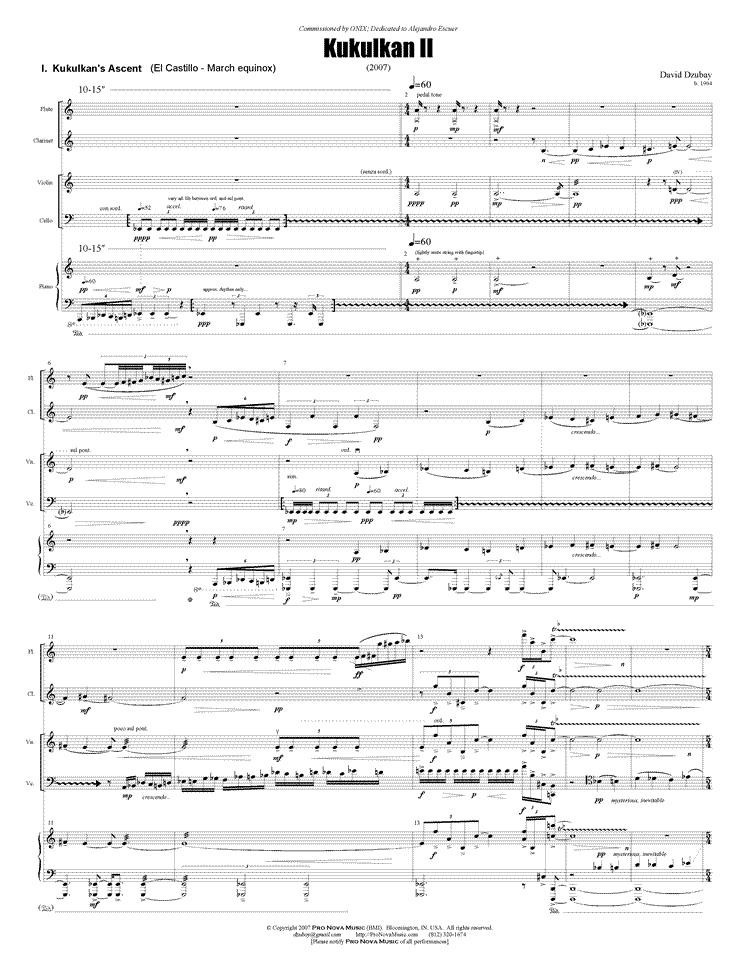
- Kukulkan's Ascent (El Castillo March equinox)
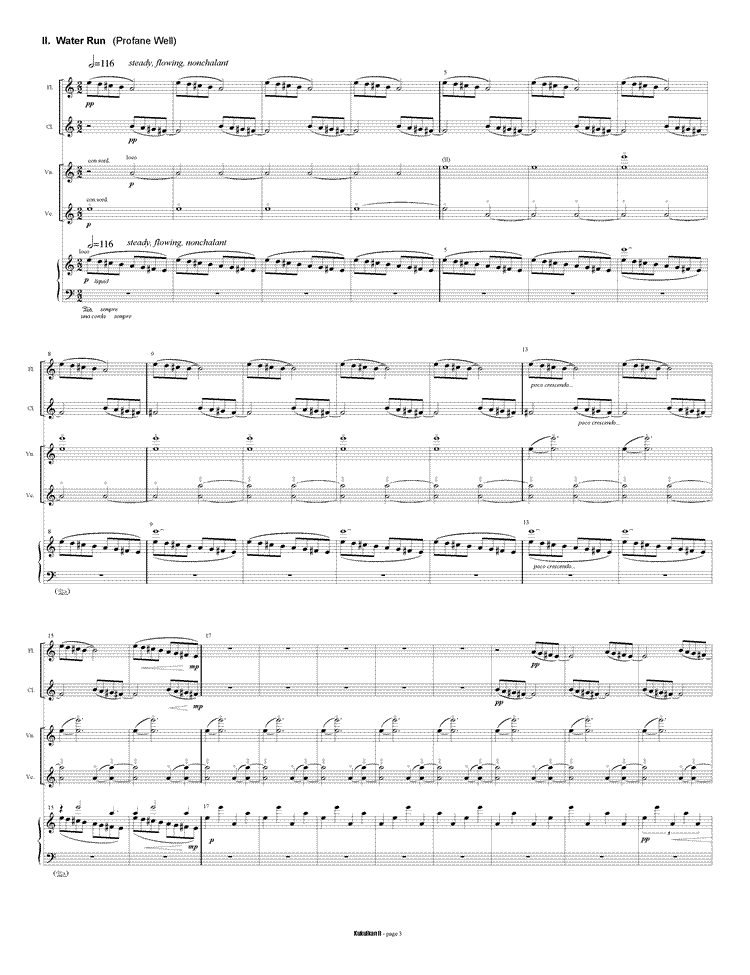
- Water Run (Profane Well)
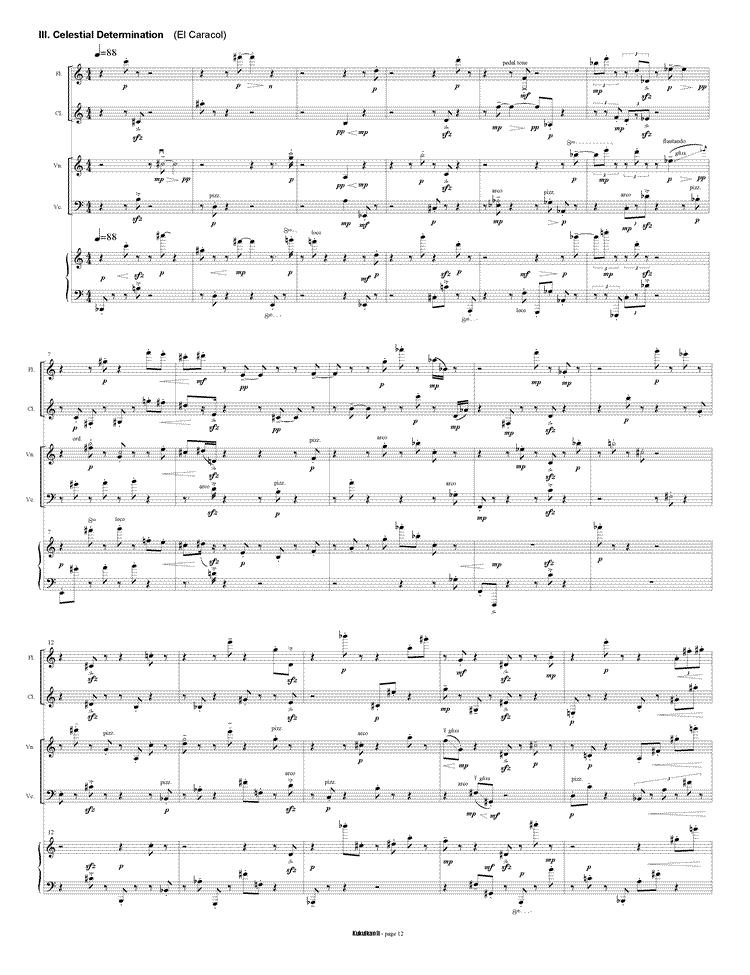
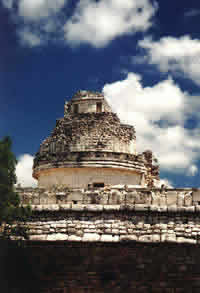
- Celestial Determination (El Caracol)
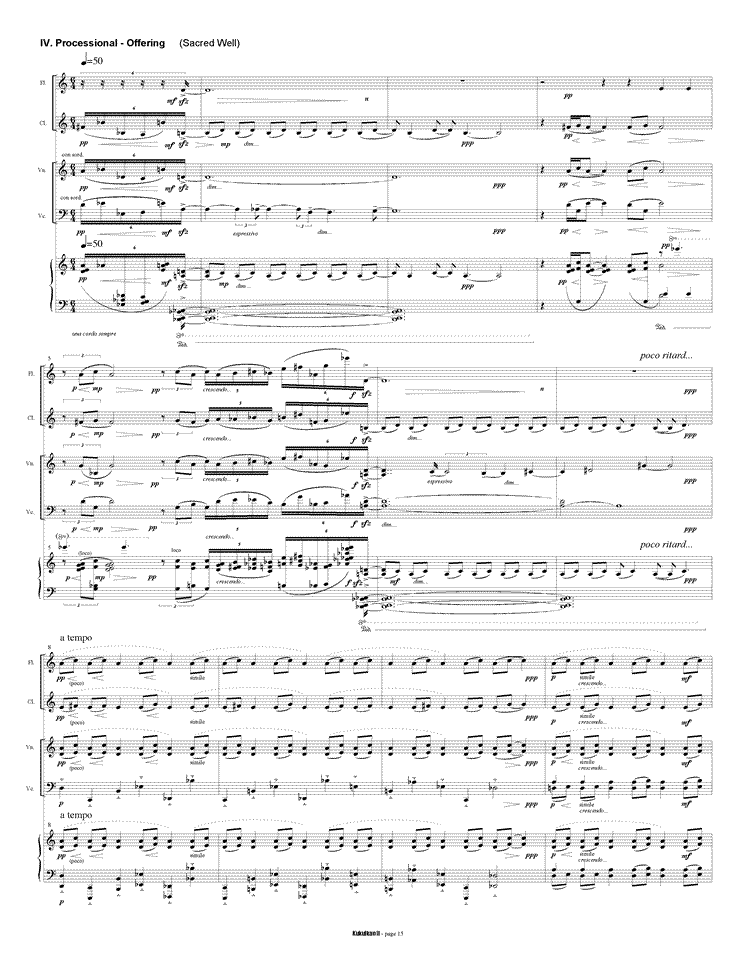
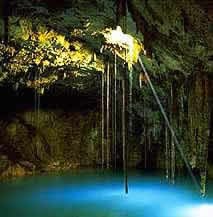
- Processional-Offering (Sacred Well)
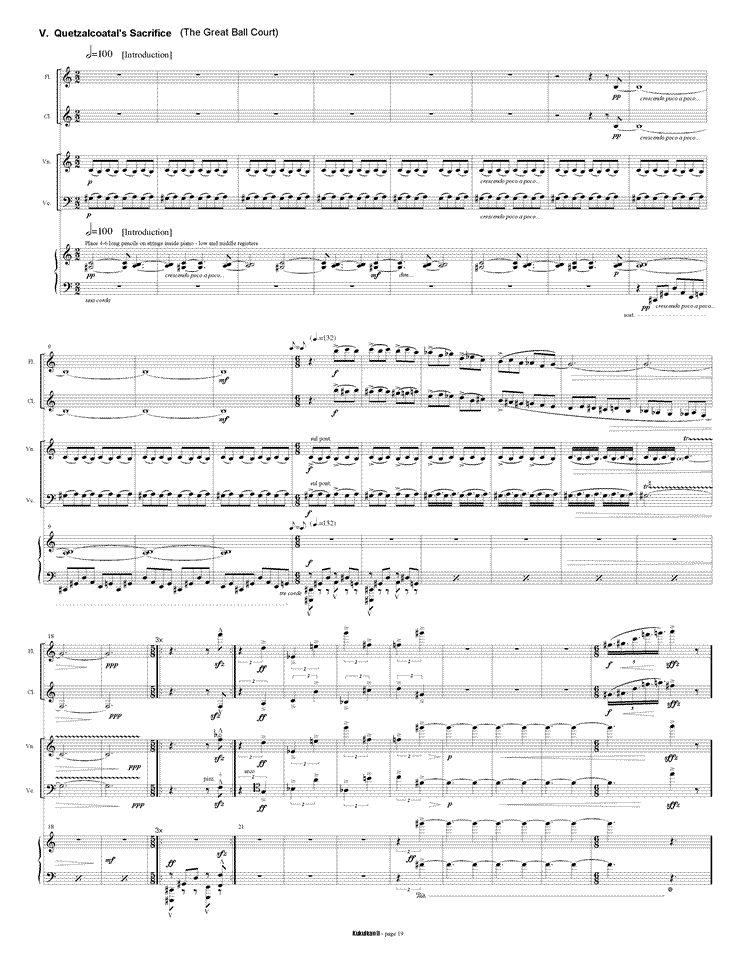
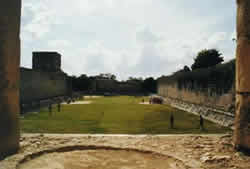
- Quetzalcoatl's Sacrifice (The Great Ball Court)
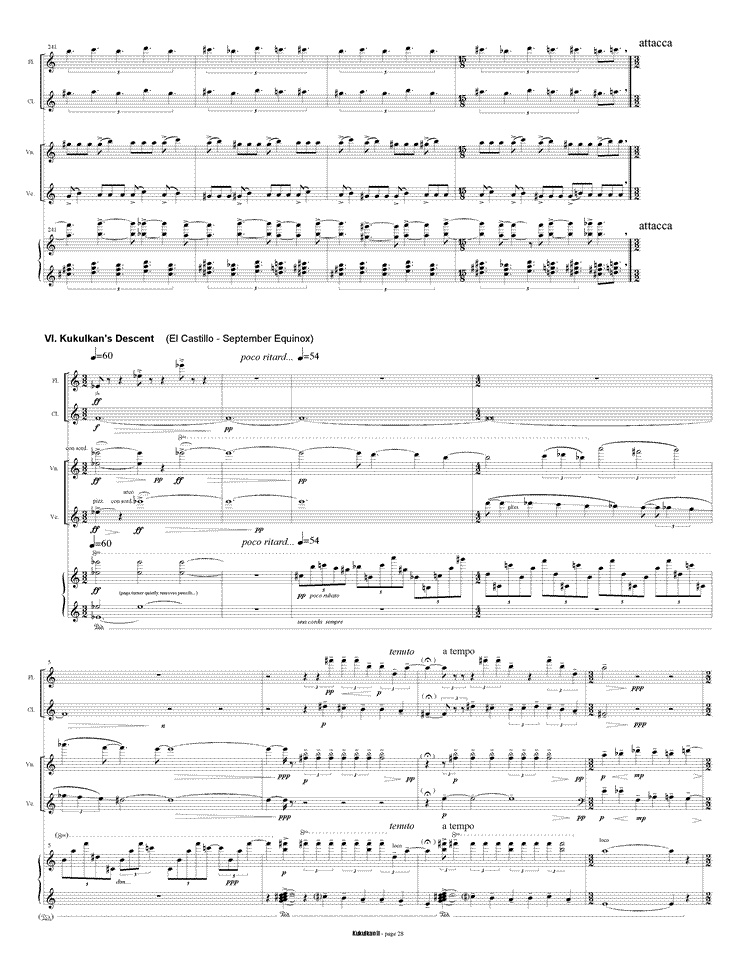
- Kukulkan's Descent (El Castillo September equinox)
duration: 20 minutes
premieres:
October 31, 2009, ONIX, Mexico City
April 21, 2009, IU New Music Ensemble, Bloomington, IN
audio
I Kukulkan's Ascent (El Castillo March equinox)
II Water Run (Profane Well)
III Celestial Determination (El Caracol)
IV Processional-Offering (Sacred Well)
V Quetzalcoatl's Sacrifice (The Great Ball Court)
VI Kukulkan's Descent (El Castillo September equinox)
This recording is of the IU New Music Ensemble with:
Daniel Stein, flute
Yi-Chun Chen, clarinet
Liana Gourdjia, violin
Eric Allen, cello
Teddy Niedermaier, piano
Perusal Score
Program Note
2010 Heckscher Foundation-Ithaca College Composition Prize
Commissioned by ONIX; Dedicated to Alejandro Escuer
Like many visitors to the ancient Mayan ruins of Chichén Itzá, I stood in awe before the temple of Kukulkan, the god-man known to the Toltecs and Aztecs as Quetzalcoatl or "Feathered Serpent," and the Great Ball Court, imagining the exotic rituals that have taken place there. This work is a flight of fantasy that attempts to evoke the ritualistic character of some of the monuments found at Chichén Itzá, including:
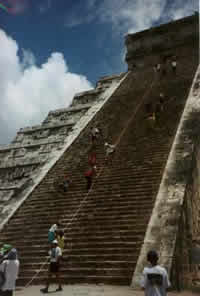
El Castillo: Actually a huge solar calendar, the main pyramid of Kukulkan is a time temple that sheds light on the Mayan astronomical system. During the equinoxes, the shadow pattern of the pyramid's steps seems to show a serpent climbing up the steps in March and down the steps in September.
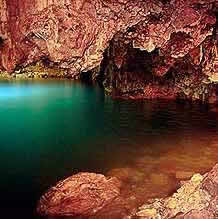
Two cenotes, or wells (profane and sacred): The smaller profane well was used for everyday needs, while the larger sacred well was used in worship, and offerings were continually made to it. Divers have retrieved skeletons and many ritual objects from its depths.
The Observatory (El Caracol): The observatory was built in a spiraling design, with the windows in the dome aligning with certain stars on specific dates, showing the precision of Mayan astronomy.
The Great Ball Court: The whole basis and rationale of Mayan sacrifice was the belief that the victim sacrificed was Quetzalcoatl himself, and by sacrificing the victim they were reenacting Quetzalcoatl's sacrifice at the beginning of time, thereby renewing creation. In one version of the sacrifice, Quetzalcoatl manifested himself as two persons: the twins Quetzalcoatl and Tezcatlipoca. In a ritual that took place at the beginning of time, Quetzalcoatl killed his twin, from whose body the world then emerged. At the end of significant time periods - at times when creation ran out of power - a ritual ballgame was staged at the ball field of Chichén Itzá. Each side incarnated the God Quetzalcoatl, one side as Tezcatipoca and one side as the twin Quetzalcoatl. The losers - i.e., the players incarnating Tezcatlipoca, were then sacrificed. The Mayans believed that this sacrifice - as a repetition of the original sacrifice of Quetzalcoatl - would renew, and keep the world alive.
This work was begun at the MacDowell Colony in Peterborough, New Hampshire, and was completed while in residence at Copland House, Courtlandt Manor, New York, as a recipient of the Aaron Copland Award.
CD Recordings
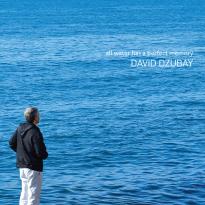 Innova 011 all water has a perfect memory
IU New Music Ensemble
available at INNOVA, Apple Music, Spotify, etc.
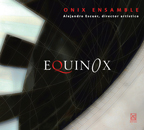 Urtext 223 Equinox
ONIX (Mexico)